%20--%3e%3cpath%20d='M286.6,2.9l-43.6,59.3L199.4,3v79.3h10.9v-46.1l32.7,44.4,32.7-44.4v46.1h10.9V2.9ZM324.8,82.3h-10.9V5.9h35.5c13.6,0,24.5,11,24.5,24.5s-11,24.5-24.5,24.5h-24.5v27.4h-.1ZM324.8,44.1h24.5c7.5,0,13.6-6.1,13.6-13.6s-6.1-13.6-13.6-13.6h-24.5v27.2ZM449.5,82.3h12.4L420.2,5.4l-41.7,76.9h12.5l8.9-16.4h40.8l8.8,16.4ZM405.8,55l14.5-26.7,14.5,26.7h-29ZM526.6,60.9c0,12.9-11.9,22.7-27.6,22.7-10.3-.2-20-4.9-26.6-12.8l7.7-7.5c4.5,5.9,11.5,9.5,18.9,9.7,9.8,0,16.7-4.9,16.7-12,0-6.1-4.1-10.1-12.6-12.5l-9.2-2.1c-19.6-4.8-19.6-16.6-19.6-20.5,0-12.2,9.8-20.4,24.5-20.4,9.5,0,18.6,4,25,11.2l-7.7,7.5c-4.5-4.8-10.7-7.7-17.3-8-8.6,0-13.6,3.5-13.6,9.7,0,1.8.7,8,9.7,9.9l8.4,1.9c15.2,3.6,23.3,11.6,23.3,23.2ZM603,60.9c0,12.9-11.9,22.7-27.6,22.7-10.3-.2-20-4.9-26.6-12.8l7.7-7.5c4.5,5.9,11.5,9.5,18.9,9.7,9.8,0,16.7-4.9,16.7-12,0-6.1-4.1-10.1-12.6-12.5l-9.2-2.1c-19.6-4.8-19.6-16.6-19.6-20.5,0-12.2,9.8-20.4,24.5-20.4,9.5,0,18.6,4,25,11.2l-7.7,7.5c-4.5-4.8-10.7-7.7-17.3-8-8.6,0-13.6,3.5-13.6,9.7,0,1.8.7,8,9.7,9.9l8.4,1.9c15.2,3.6,23.3,11.6,23.3,23.2ZM65.1,65.3h0c-11.7,11.7-30.7,11.7-42.4,0s-11.7-30.7,0-42.4,30.7-11.7,42.4,0h0l1.9,1.9,7.7-7.7-1.9-1.9h0C56.8-.8,30.9-.8,14.9,15.2s-16,41.9,0,57.9,41.9,16,57.9,0h0l1.9-1.9-7.7-7.7-1.9,1.8ZM136.6,3.2c-22.6,0-40.9,18.3-40.9,40.9s18.3,40.9,40.9,40.9,40.9-18.3,40.9-40.9S159.2,3.2,136.6,3.2ZM136.6,74.1c-16.6,0-30-13.4-30-30s13.4-30,30-30,30,13.4,30,30-13.4,30-30,30ZM154.1,34.3l-7.7-7.7-27.3,27.3,7.7,7.7,27.3-27.3Z'/%3e%3c/svg%3e)
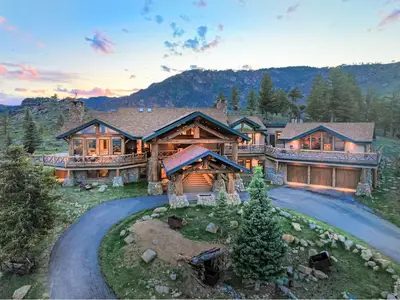
Boulder, CO
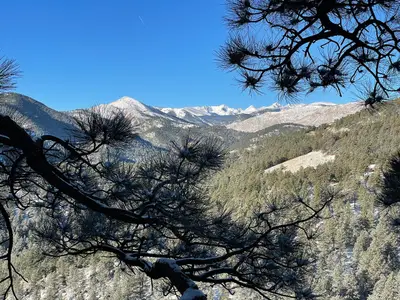
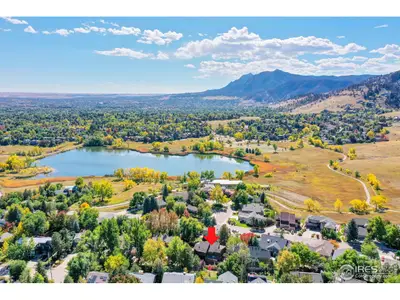
The Flatirons rise behind town, Pearl Street runs through the middle, and the 1967 open space vote capped growth permanently. A small city with a remarkable density of trails, restaurants, and research institutions, priced accordingly.
What it's like in Boulder, CO.
Boulder is a city defined by the things it decided not to build. The 1967 open space vote, renewed and expanded multiple times since, created a permanent green buffer that caps growth and explains, more than anything else, why the housing market behaves the way it does. The Flatirons rise directly behind town. CU Boulder anchors the southern end. Pearl Street runs through the middle as the civic and social spine. The result is a small city with a remarkable density of hiking access, restaurants, research institutions, and outdoor culture, priced accordingly. Buyers here are paying for the geography, the cap on supply, and a quality of life that has held up under two decades of national press attention.
Boulder, CO at a glance.
- Elevation5,350 ft
- Population108,250
- Founded1858
- Area25.7 sq mi
- From Denver25 mi NW of Denver
ZIP codes: 80301, 80302, 80303, 80304, 80305, 80306, 80307, 80308, 80309, 80310, 80314
“Boulder's housing market doesn't behave like a normal Front Range market because Boulder isn't a normal Front Range city. The supply is fixed, the demand is national, and the patterns reflect that more than anything else.”
 Local Expert Brian MacDonald Compass Associate Broker
Work with Brian
Local Expert Brian MacDonald Compass Associate Broker
Work with Brian What makes Boulder, CO distinct.
- The Flatirons and Chautauqua Park, with trails accessible directly from south and west residential streets
- Pearl Street, a four-block pedestrian mall anchoring downtown, with the farmers market running Saturdays April through November
- CU Boulder, NIST, NCAR, NOAA, and a research-economy employment base that supports values through cycles
- A municipal open space program with over 45,000 acres preserved, the largest of its kind in the region
- Bike infrastructure that connects most neighborhoods to downtown without touching a major road
- A restaurant and brewery scene that punches well above the city's size, with multiple James Beard nominations on record
Buying and selling in Boulder, CO.
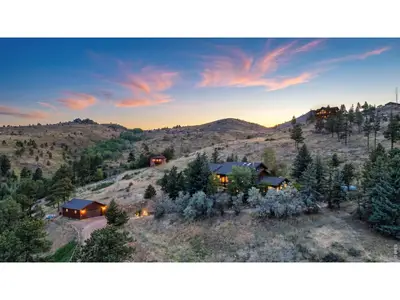
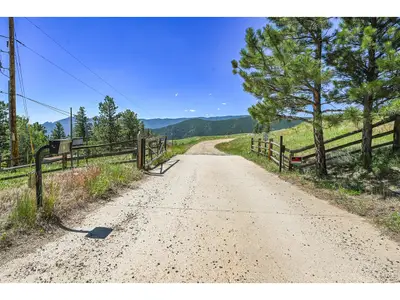
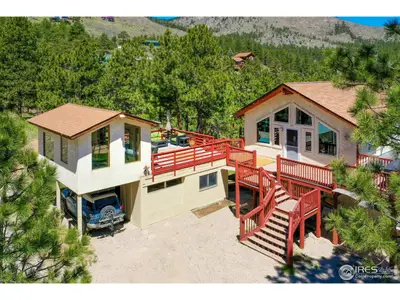
Boulder's market spans a wider range than the city's reputation suggests. Entry-level access is genuinely possible in neighborhoods like Gunbarrel and Martin Acres, where post-war housing stock and slightly more distance from the Flatirons keep price-per-square-foot below the city average. The middle of the market sits in central neighborhoods like Whittier, Norwood, and Holiday Neighborhood, where buyers trade some yard for walkability. The premium end concentrates in Mapleton Hill, Newlands, downtown, and the foothills addresses (Pine Brook Hills, Sunshine Canyon, Carriage Hills Estates) where land scarcity, view corridors, and historic character compound. The mountain pockets within the city's orbit (Sugarloaf, Gold Hill) offer a different value proposition entirely, with multi-acre parcels and the kind of privacy the flatlands cannot provide. Inventory is consistently tight across all segments, and well-priced properties tend to move in days rather than weeks.
The places people keep coming back to.
- Chautauqua Park and the Flatirons trail network
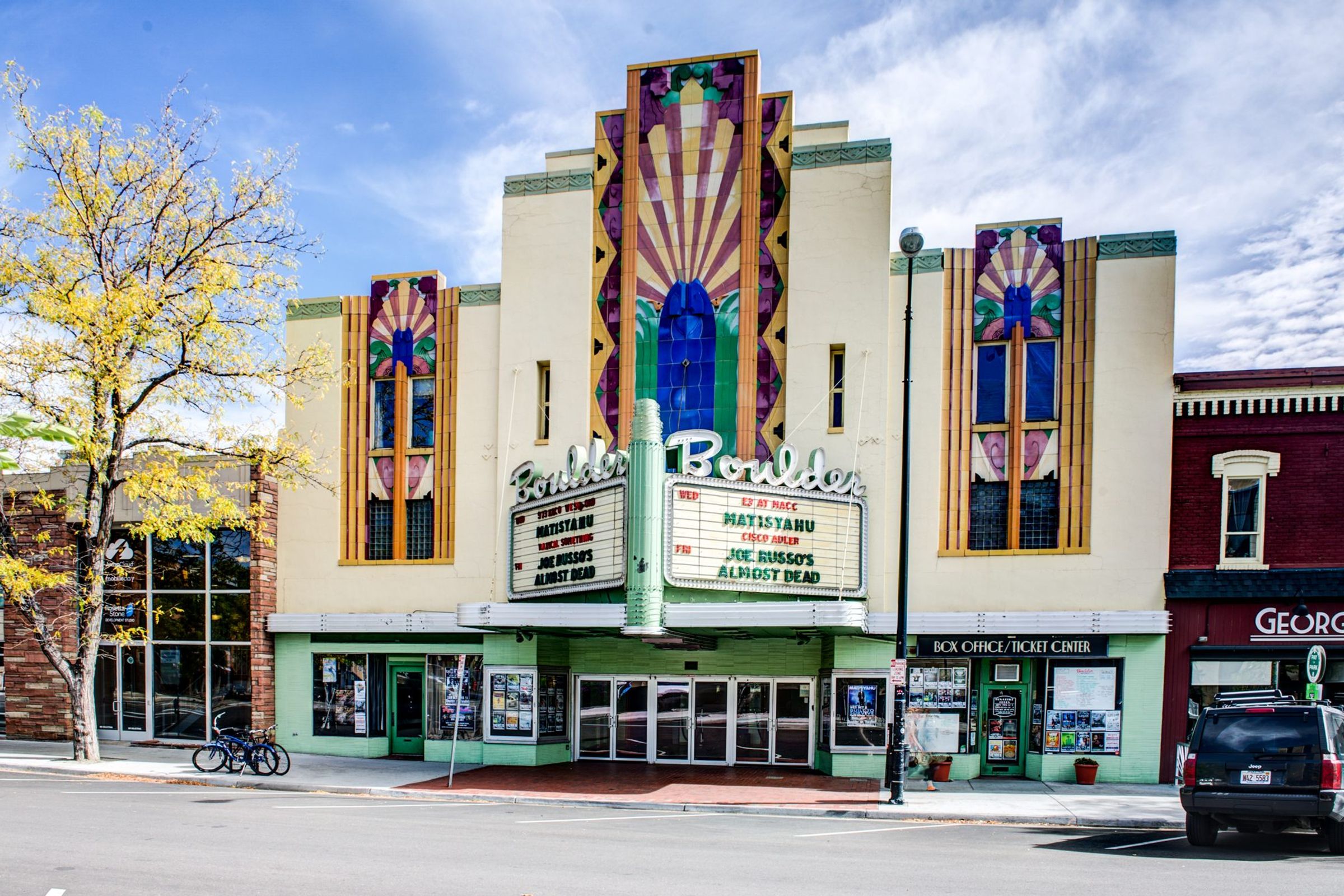
- Pearl Street Mall and the Boulder Theater
- Boulder Creek Path, running mountain to plain through the heart of the city
- The Dushanbe Teahouse, a gift from Boulder's sister city in Tajikistan
- NCAR Mesa Lab and trail, designed by I.M. Pei
- The Boulder Reservoir for swimming, paddling, and the Pelican Open Water swim series
- Eldorado Canyon State Park, fifteen minutes south, with 500+ trad climbing routes
Boulder, CO by the numbers.
Metric
Value
Typical price range
$620K to $1.8M+
Most active segment
$850K to $1.4M
Avg days on market
14 to 30 days
Inventory
Consistently tight across segments
Neighborhoods covered
18
Data estimated 2026-05-15. Source: Compass Intelligence / Boulder County MLS.
Top schools in Boulder, CO.
Portfolio · Available
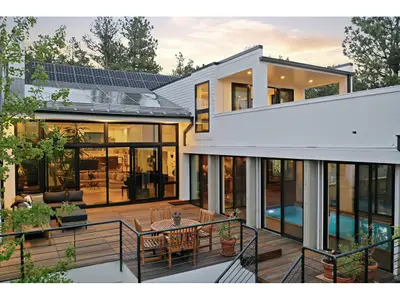
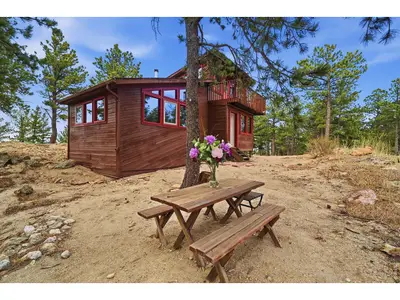
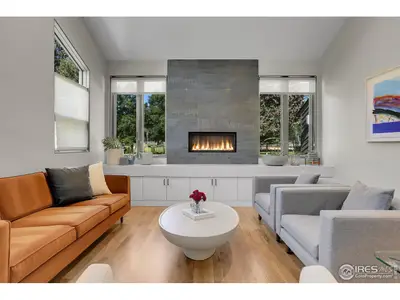
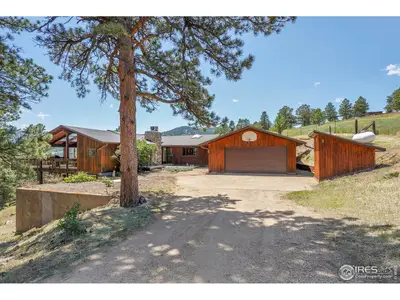
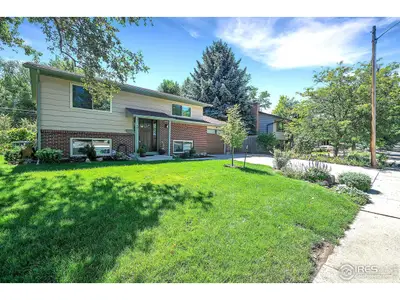
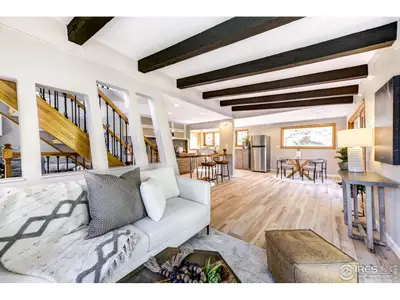
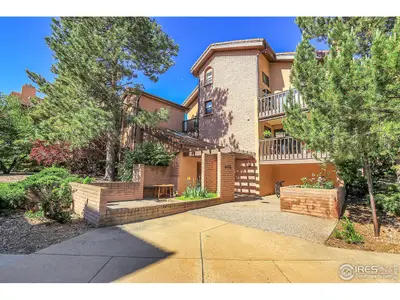
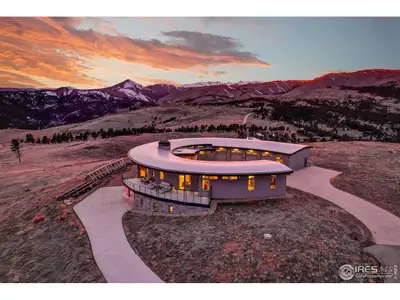
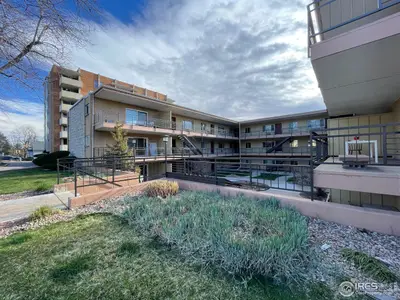
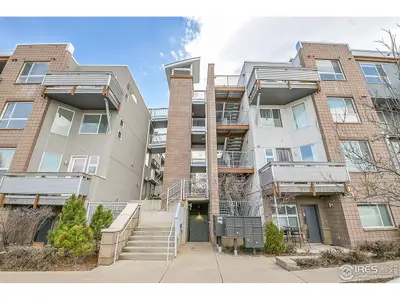
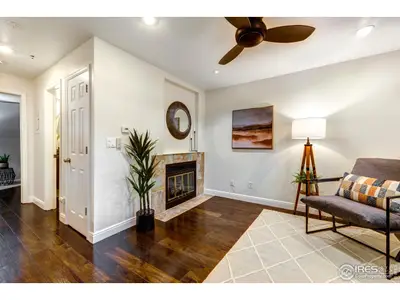
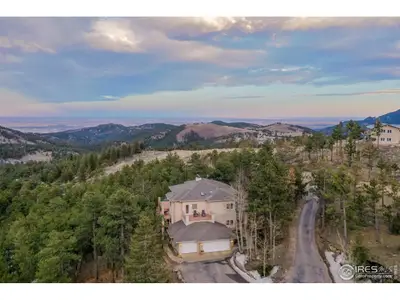
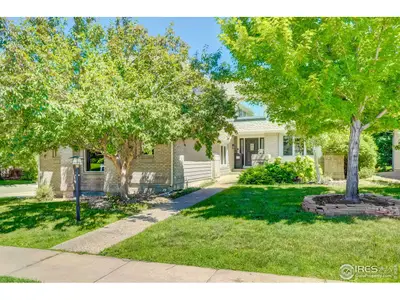
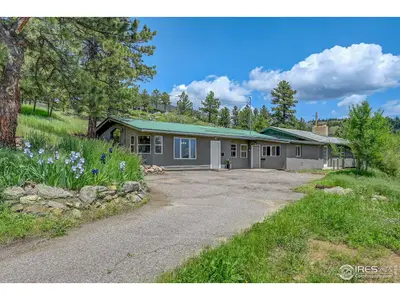
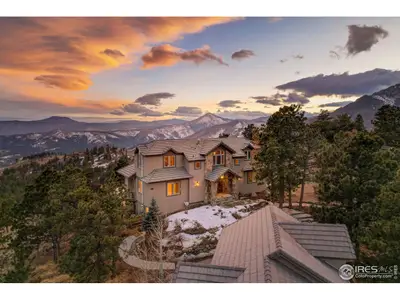
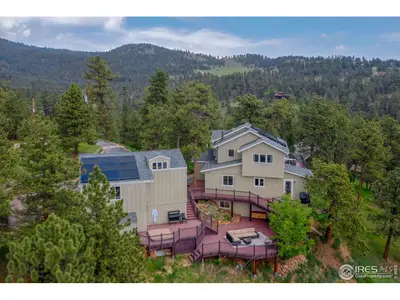
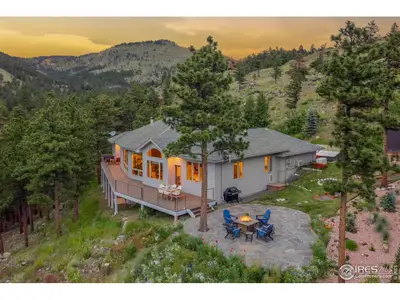
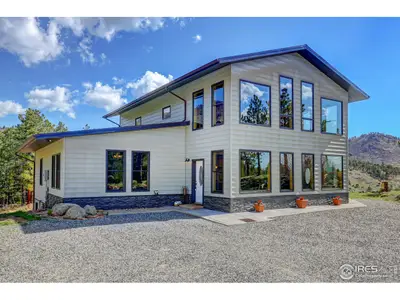
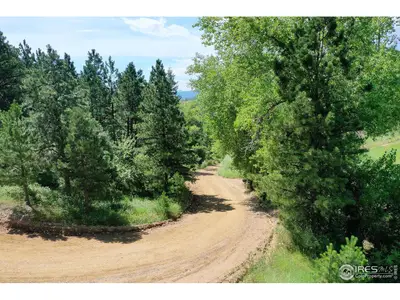
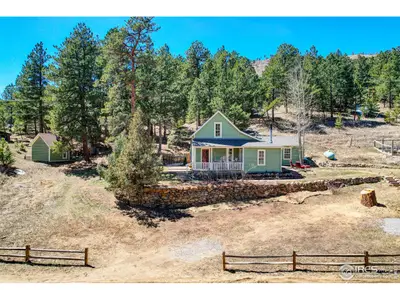
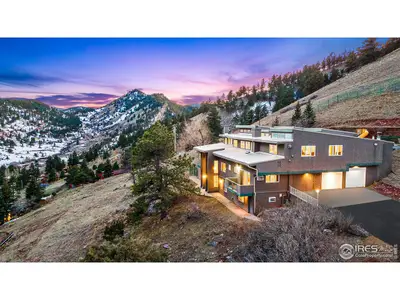
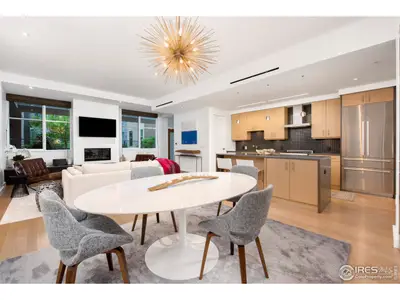
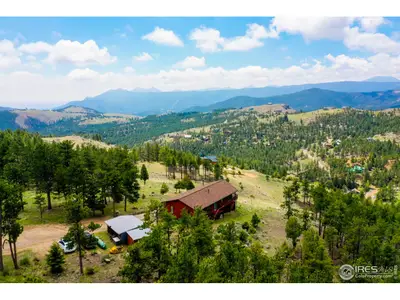
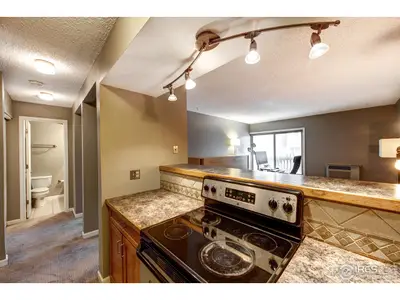
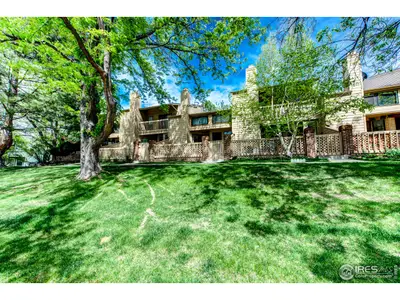
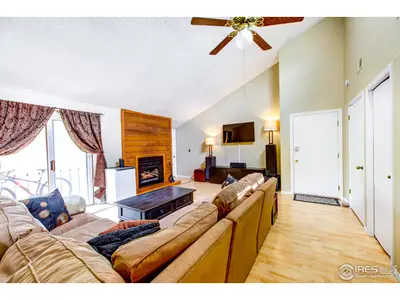
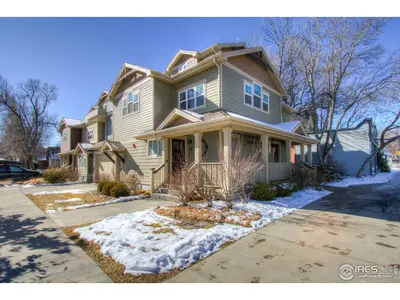
Currently available in Boulder, CO
Portfolio · Recent sales
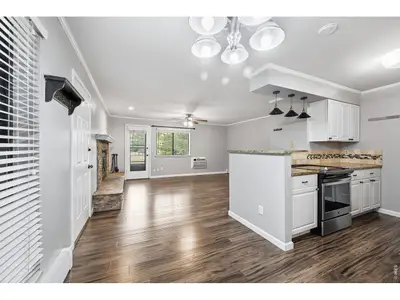
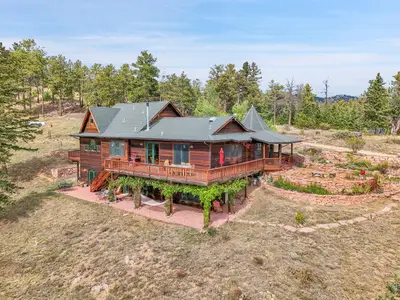
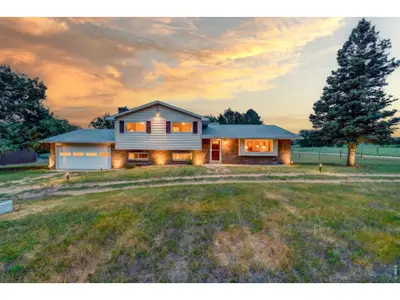
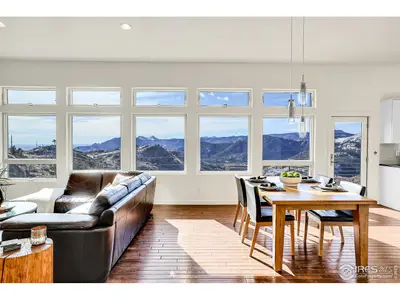
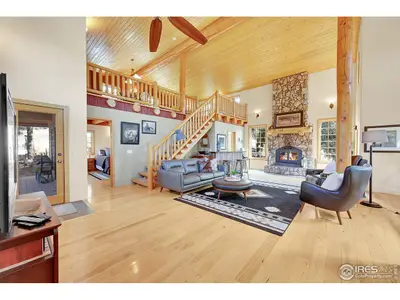
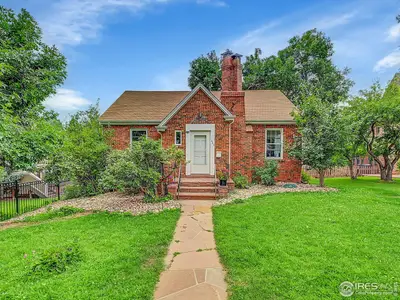
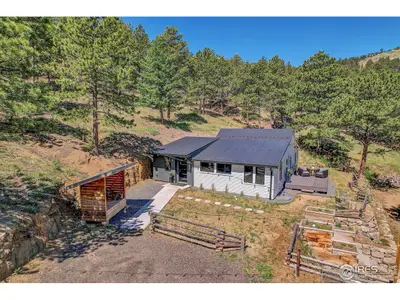
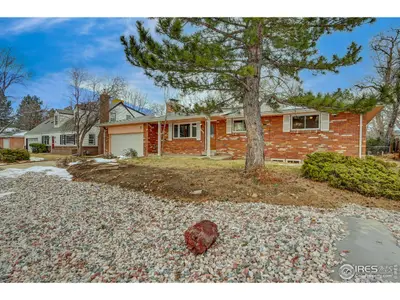
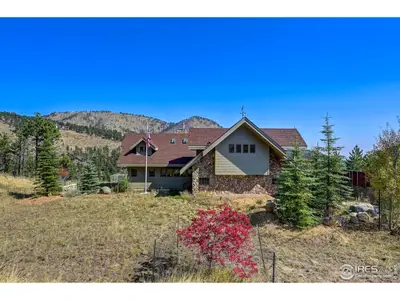
Recent sales in Boulder, CO
Ready to look?